
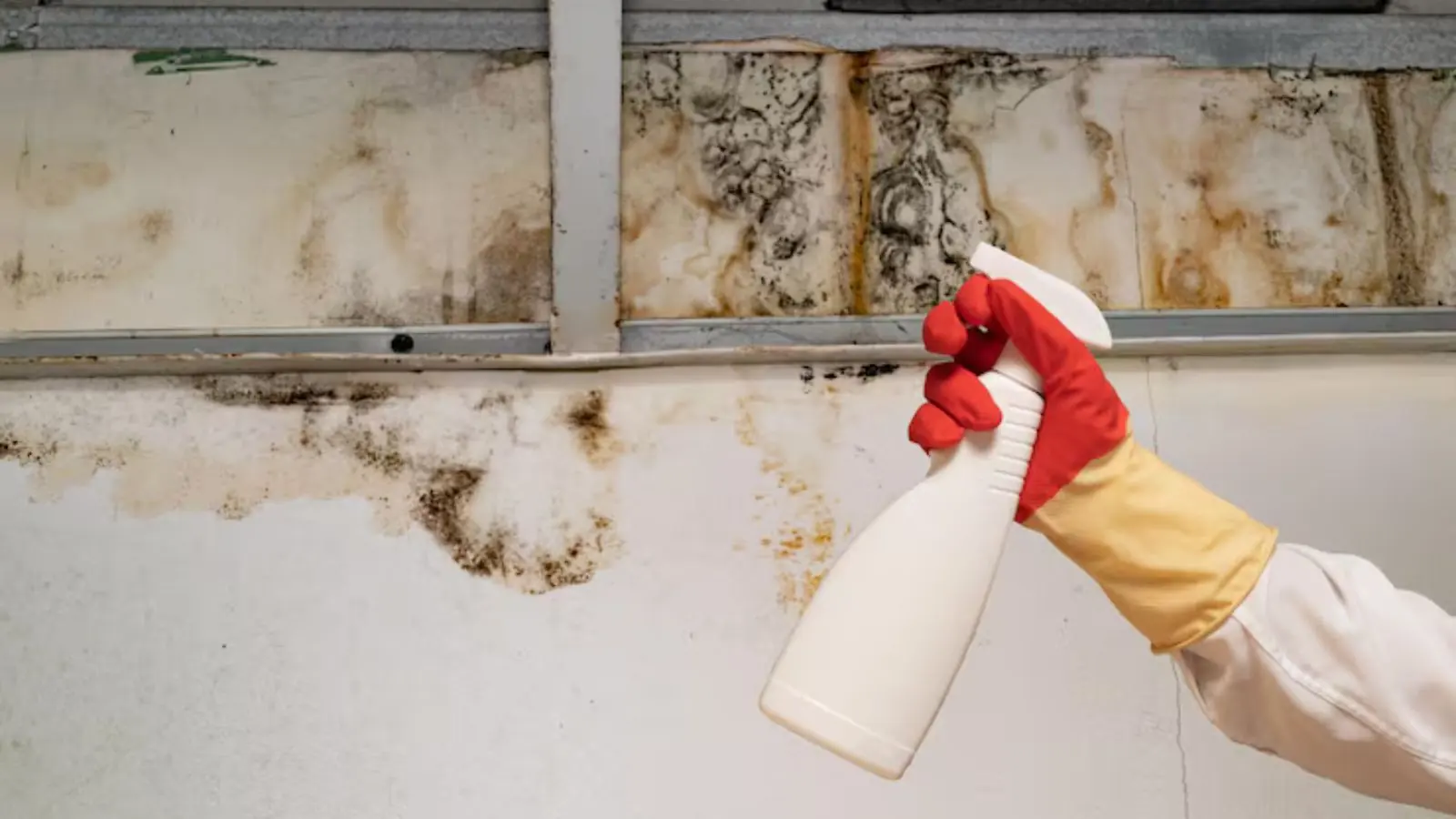
Black mold is a popular name for dark-colored mold growth, and most often it refers to a species called Stachybotrys chartarum. In everyday use, though, people apply the label to nearly any dark mold they find on a wall, ceiling or basement corner.
Color alone does not tell you which mold you have. This guide explains what the name means, how identification really works, why moisture is the common thread and what a homeowner can reasonably do about it.
Where the name comes from
Stachybotrys chartarum is a greenish-black mold that grows on materials with a lot of cellulose, such as drywall paper, ceiling tile, wood and cardboard. It tends to need materials that stay wet for a sustained period, rather than a brief splash. That is part of why it is linked to leaks and flooding.
The phrase black mold stuck because it is short and alarming. It now appears on listings, forums and warning signs, usually with no lab result behind it.
Color is not an identification
Many molds look dark. Some species that appear black are common household types, and some that look green or white can turn dark as they age or as spores develop. A stain that looks like mold can also be dirt, soot or a surface discoloration.
The reliable way to name a mold is lab analysis of a sample taken by someone trained in sampling. Even then, the name is only part of the picture. The material affected, the area and the moisture source drive the remediation plan more than the species does.
What black mold needs to grow
Every mold needs moisture, a food source and time. Homes supply plenty of food in the form of drywall, wood and dust. Moisture is the only variable you can control, and that is why the water source is the first thing any professional looks for.
Typical sources include a roof leak, plumbing failure, a window that sweats all winter, a damp basement wall and flood or storm water that was not dried out. A material that has been wet for a long stretch is where dark growth is most likely to show.
Humidity matters at a smaller scale. A closet against a cold exterior wall, a window frame that collects condensation and a bathroom with a weak fan can all hold enough moisture for growth. Indoor humidity readings from a basic hygrometer help you see the pattern before anything turns dark.
Common versus less common signs
The table sorts what people usually see into what it suggests and what to do first. It is a guide, not a diagnosis of anything.
| What you see | What it often means | First practical step |
|---|---|---|
| Small dark spots on bathroom grout or caulk | Surface growth from steam and splashing | Clean, dry and improve ventilation |
| Dark patch on a ceiling below a bathroom | A plumbing or shower leak above | Find and stop the leak, then assess |
| Dark, fuzzy growth on basement drywall | Long-term dampness or past flooding | Dry the space and check the source |
| Musty smell and no visible growth | Hidden moisture in a wall or floor | Use a moisture meter to look for it |
| Large dark area across a wall | Extensive growth | Stay out of the area and call a professional |
Not sure which way to go? Talk it through with dispatch.
(630) 580-6401Black mold questions in Bensenville
The Village of Bensenville says it cannot prevent flooding, and it identifies Willow Creek, Silver Creek (also called Bensenville Ditch) and Addison Creek as separate flood sources with their own floodplains. After a storm or creek event, materials that stay wet for days are the ones where dark growth tends to start, so drying quickly matters more than finding the right label. The Village Engineering Division at (630) 350-3435 can help you learn whether your property is in a floodplain.
For context on how much water this area can take at once, NWS Chicago recorded 5.55 inches of rain at O'Hare over April 17 and 18, 2013, a record for an April two-day span. That is regional context, not a claim about any one street. It does show why a wet-weather plan for a basement belongs on every Bensenville homeowner's list.
What to do if you find dark growth
Protective measures for any mold cleanup are generally the same: a fitted respirator, gloves and eye protection, ventilation and containment from the rest of the home.
- Do not disturb it. Brushing or sanding sends material into the air.
- Find the moisture. Look for a leak, condensation, a stained ceiling or a damp wall.
- Stop the source and begin drying. Wet materials are the issue, not just the visible stain.
- Photograph the area and keep notes with dates, in case insurance or a landlord is involved.
- For a small patch on a hard surface, careful cleaning may be enough. For soft materials or larger areas, bring in a remediation company.
How professionals handle it
Remediation follows ANSI/IICRC S520, the published standard for mold remediation. In general it means finding and fixing the moisture, containing the work area, removing materials that cannot be cleaned, cleaning what can, and checking the result. The mold remediation page walks through that process.
Where a basement was wet, drying comes first. Wet carpet, pad and baseboard may be removed, and the structure dried with air movers and dehumidifiers. The details are on the basement water damage cleanup page.
Health questions and testing
Whether a particular mold affects a particular person is a medical question, and the answer belongs to a physician. A website cannot say, and neither can a color on a wall. If someone in the home is concerned, talk to a doctor.
Testing can help when growth is hidden, extensive or part of a dispute or sale. For a visible patch on a wall, the useful step is usually to fix the moisture and remove the material. Neighbors in Wood Dale and Schiller Park face the same choices.
Questions about this topic
Is all black-colored mold black mold?
No. Many molds look dark, and color changes with age and surface. Only lab analysis of a sample can name a species, and the plan for removal depends more on materials and moisture than on the name.
Can I test for black mold myself?
Hardware store kits show that mold spores exist, which is true of nearly every home. They do not tell you much about severity. A trained sampler and a lab give more useful results, when testing is needed at all.
Is black mold dangerous?
Health questions belong with a physician, not a website. What a homeowner can do is stop the moisture, avoid disturbing the growth and have larger areas handled under the S520 standard.
Will cleaning with bleach remove it?
Bleach can lighten stains on hard surfaces, but it does not solve a moisture problem and does not reach into porous drywall or wood. Follow product labels and never mix cleaners.
Does a Bensenville basement near a creek need special checks?
Check the Village flooding page and the FEMA flood map for your address, and call the Engineering Division at (630) 350-3435 with questions. After any water event, dry the basement quickly and watch for staining or musty smells over the following weeks.
Still unsure which page fits your situation? Dispatch can sort it out in one call.
(630) 580-6401