
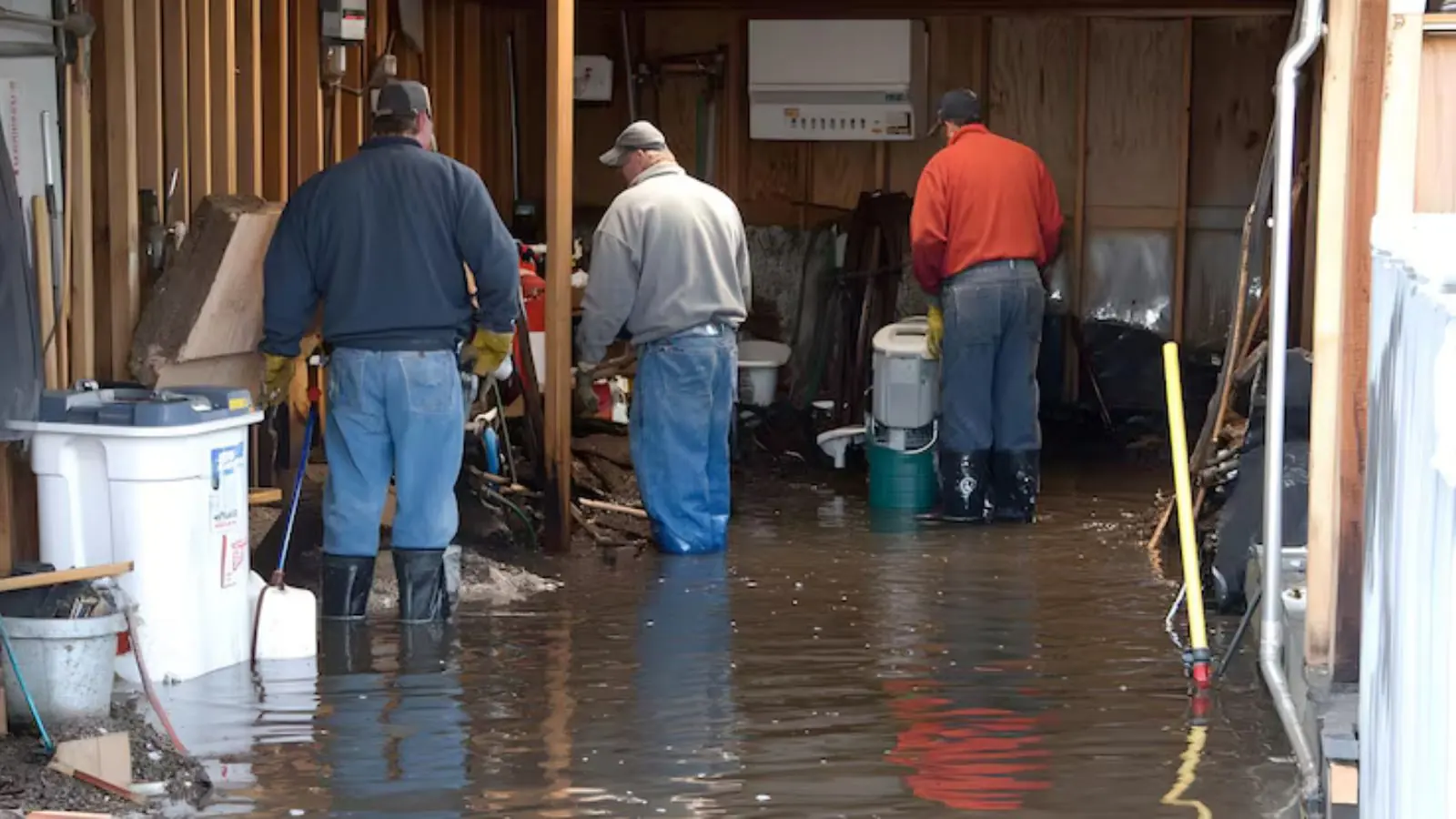
Water damage restoration cost depends less on the room and more on what the water touched, how dirty it was and how long it sat. Two basements of the same size can end up with bills that look nothing alike.
This page lists the factors that shape a restoration scope, so you can read a proposal with some confidence. It does not give prices, because a number without a look at the actual damage is a guess.
Start with the water itself
The category of water is the biggest early driver. Clean water from a supply line is handled differently from gray water from a washing machine, and both are different from sewage. The dirtier the source, the more material has to be removed instead of dried, and the more protective gear and disposal the crew needs.
Time works the same way. Clean water that is dealt with quickly may only need drying, and the same water left alone can turn into a bigger job as materials stay wet and the water picks up contaminants.
Size and spread
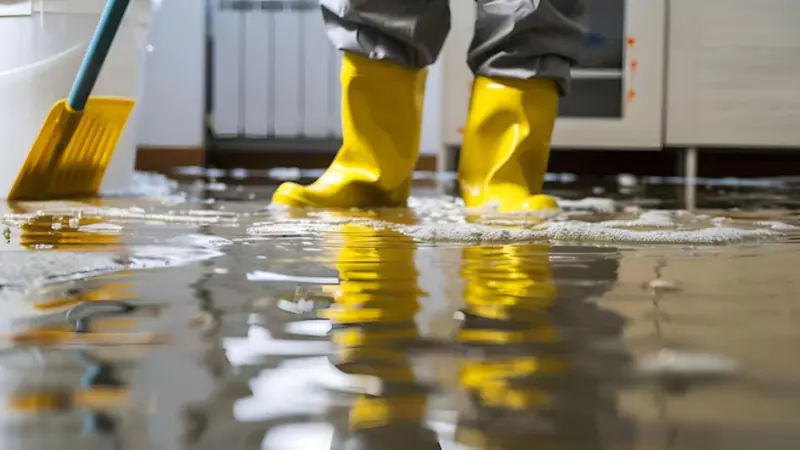
Square footage matters, but the volume of wet material matters more. A thin film of water across a large room may soak the carpet, pad and the bottom of the walls. A small leak inside a wall can wet insulation, framing and drywall far from where the water entered.
Moisture mapping tells the story. Technicians use moisture meters and thermal imaging cameras to trace the wet area, and the map sets how many air movers and dehumidifiers the job needs.
Materials and what they are made of
Some materials dry well and some do not. Concrete, tile and solid framing tolerate a lot. Particle board, carpet pad, insulation and soaked drywall often cannot be saved, and removing them adds labor and disposal.
Finished surfaces change the picture too. Hardwood flooring can sometimes be dried in place with specialized equipment, but it may cup or buckle. Drying those materials is slower and more careful than pulling up a carpet, which is why carpet water damage restoration and hardwood work are scoped differently.
A quick map of cost factors
The table links the main drivers to what they change on a job. It is a way to ask better questions, not a pricing tool.
| Factor | What changes | Question to ask the company |
|---|---|---|
| Water category | Protective gear, removal versus drying | What category do you believe this is, and why? |
| Area and volume | Equipment count and labor | How many rooms and how much wet material? |
| Materials | Tear-out versus in-place drying | Which materials will be removed? |
| Drying duration | Days of equipment on site | How will you track progress? |
| Access and hazards | Setup and safety time | Is there anything that slows access? |
| Rebuild | Repairs after drying | Is rebuild included or separate? |
Not sure which way to go? Talk it through with dispatch.
(630) 580-6401Equipment and drying days
Drying is billed around the equipment on site and the days it runs. Air movers, LGR dehumidifiers, and sometimes desiccant units or injection systems for wall cavities all add to the scope. Large or deep losses simply need more of them for longer.
A good proposal explains how many pieces of equipment and why, and says how drying will be checked. Ask for the moisture readings at the start and at the end. Dry means the readings match an unaffected reference, not that the room feels fine.
Bensenville factors that move a quote
Bensenville housing is split almost evenly between owners and renters, at 50.8 percent owner-occupied per Census QuickFacts. That split changes who pays: a landlord usually deals with the building and a tenant with belongings, and the person signing the work order is not always the person paying for it. Settle that before work starts so the scope matches whose property it is.
Village flood facts matter too.
The Village states it cannot prevent flooding and names Willow Creek, Silver Creek and Addison Creek as separate flood sources. Water that arrives from outside tends to be classed as dirtier water, and it often falls outside a standard homeowners policy, so a basement from creek or storm water can cost more to clean and may need its own coverage. The Village Engineering Division at (630) 350-3435 can tell you whether your address is in a floodplain.
Rebuild is its own line
Drying and rebuilding are different jobs, and many people are surprised by that. Restoration brings the structure back to dry. Rebuild replaces what had to be removed, such as drywall, baseboard, flooring, paint and cabinets.
Rebuild can be a small part of the total or a large one, depending on how much material came out. Finish choices matter too, since matching an older floor or a custom trim costs more than standard materials. Ask whether rebuild is in the proposal or will be quoted after drying is complete.
Insurance and who pays
Standard homeowners coverage often responds to sudden and accidental water damage and often does not respond to gradual leaks, neglect or flooding. Your deductible sits in front of any payment. Illinois guidance says to keep receipts for emergency repairs and to talk to the insurer before permanent repairs.
None of that means waiting. If you are unsure whether the loss is covered, ask your insurer and keep the scope itemized, so each line can be matched to what the policy covers.
How to read a proposal
A useful proposal separates the pieces. Look for a line for extraction, one for equipment and monitoring, one for demolition and disposal, and one for any rebuild. Lumped totals are harder to compare and harder to justify.
The scope and price should be explained before work starts. If the quote changes midway, there should be a reason in writing, such as hidden wet insulation found when a wall was opened. Water extraction and structural drying are usually separate line items, so check that neither is missing.
Homeowners in Wood Dale and Schiller Park ask the same question, and the answer is the same. The factors set the scope, and the scope sets the cost. If you want your actual number, someone has to look at the damage. Ready to scope it? Call (630) 580-6401.
Questions about this topic
Why do water damage estimates vary so much between companies?
Scope differs. One company may plan to dry a wall in place and another may plan to remove it. Equipment counts, monitoring and what is included for rebuild also vary. Ask each company to itemize.
Does waiting make restoration more expensive?
Often, yes. Wet materials that could have been dried can become materials that need removal, and the water may spread. Stopping the source and starting drying early keeps the scope smaller.
Can I get a price over the phone?
Not a reliable one. Water behind walls and under floors cannot be priced from a description. The scope and price should be explained before work starts, after someone has measured what is wet.
Will insurance cover the cost of restoration?
It depends on the cause and your policy. Sudden and accidental damage is often covered, and gradual leaks and flooding often are not. Check your policy or ask your insurer, and keep your receipts.
I rent in Bensenville. Who pays for drying my unit?
Usually the landlord handles the building, and a renters policy handles your belongings. Because about half of village homes are rentals, many companies are used to a landlord and a tenant sharing a loss.
Report the damage in writing and let the landlord authorize structure work.
Still unsure which page fits your situation? Dispatch can sort it out in one call.
(630) 580-6401