
Water damage insurance claim documentation is the record you build between the moment you find the problem and the day the adjuster looks at it. It includes photos, video, receipts, a list of damaged belongings and notes on who you spoke to.
Good records do not decide whether your policy covers the loss. They do make it much easier to show what happened, when, and what it cost to deal with. Here is how to build that record in a Bensenville home, step by step.
Before you touch anything
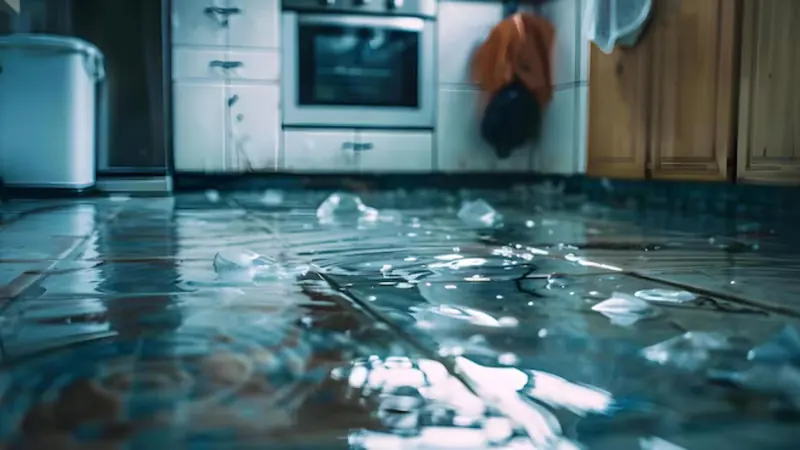
The first photos should show the water as you found it. Stand in the doorway and shoot the whole room, then move in. Capture standing water, wet carpet, stained ceilings, swollen baseboards and the source if you can see it, such as a split hose or a dripping joint.
Take video too, and narrate it. Say the date, the room and what you see. A thirty-second walkthrough with your voice on it is hard to argue with.
Photograph in layers
A single wide shot is not enough. Insurers and adjusters look for the extent of the damage, and layers of photos make that clear.
- Wide shots of each affected room from two corners.
- Medium shots of each wall, floor section and ceiling area.
- Close-ups of stains, warped boards, bubbling paint and any visible mold.
- Close-ups of the failed part, such as a corroded supply line, before it is thrown away.
- Photos of the water meter or shutoff, if you closed it.
Make the emergency repairs and keep the receipts
Illinois Department of Insurance guidance tells policyholders to make essential temporary repairs that prevent further damage, and to keep receipts for them. That covers turning off the water, pumping out standing water, tarping an opening and starting drying. Give those receipts to the insurer.
It also warns against permanent repairs before you have talked to the insurer, since a company may not pay for repairs it did not authorize. Replacing a floor or hanging new drywall can wait. Stopping the spread cannot.
What a documentation file contains
A tidy file saves hours later. The table shows what to collect and why each piece matters.
| Item | What to include | Why it helps |
|---|---|---|
| Photos and video | Date stamped, wide to close-up | Shows the extent and the condition before cleanup |
| Belongings list | Item, age, rough value, photo | Supports the contents portion of a claim |
| Receipts | Pumps, tarps, hotel, drying work | Shows what you spent to prevent more damage |
| Call log | Date, person, what was said | Fixes the timeline when memories blur |
| Drying records | Equipment placed, moisture readings | Shows how the structure was dried |
| Repair notes | Plumber's findings on the cause | Helps show the loss was sudden, not gradual |
Not sure which way to go? Talk it through with dispatch.
(630) 580-6401Bensenville paperwork worth knowing before you file
Roughly half of Bensenville households rent, based on the CMAP housing toolkit, compared with about a quarter across DuPage County. If you rent, your documentation has a second audience. Send your landlord dated photos and a written description the same day, so the record shows when the building owner was told.
Bensenville Public Works can be reached at (630) 350-3435 for village water and flooding questions, and the Village's flooding page says it cannot prevent flooding. If water came in from outside, note the weather and the nearest creek conditions in your log. That detail helps an insurer sort a flood loss from a plumbing loss, and it tells you whether to ask about separate flood coverage.
Documenting belongings
Contents claims fall apart when people cannot remember what was in the room. Walk through the space with your phone and film every shelf, closet and drawer, even if the items look fine. Then write the list at the kitchen table that night.
Do not discard ruined items until the insurer has said it is fine to, unless they are a hazard. If something must go, photograph it first, note the brand, and keep a small sample, such as a cut corner of carpet or a tag from the couch.
Keeping the drying work on record
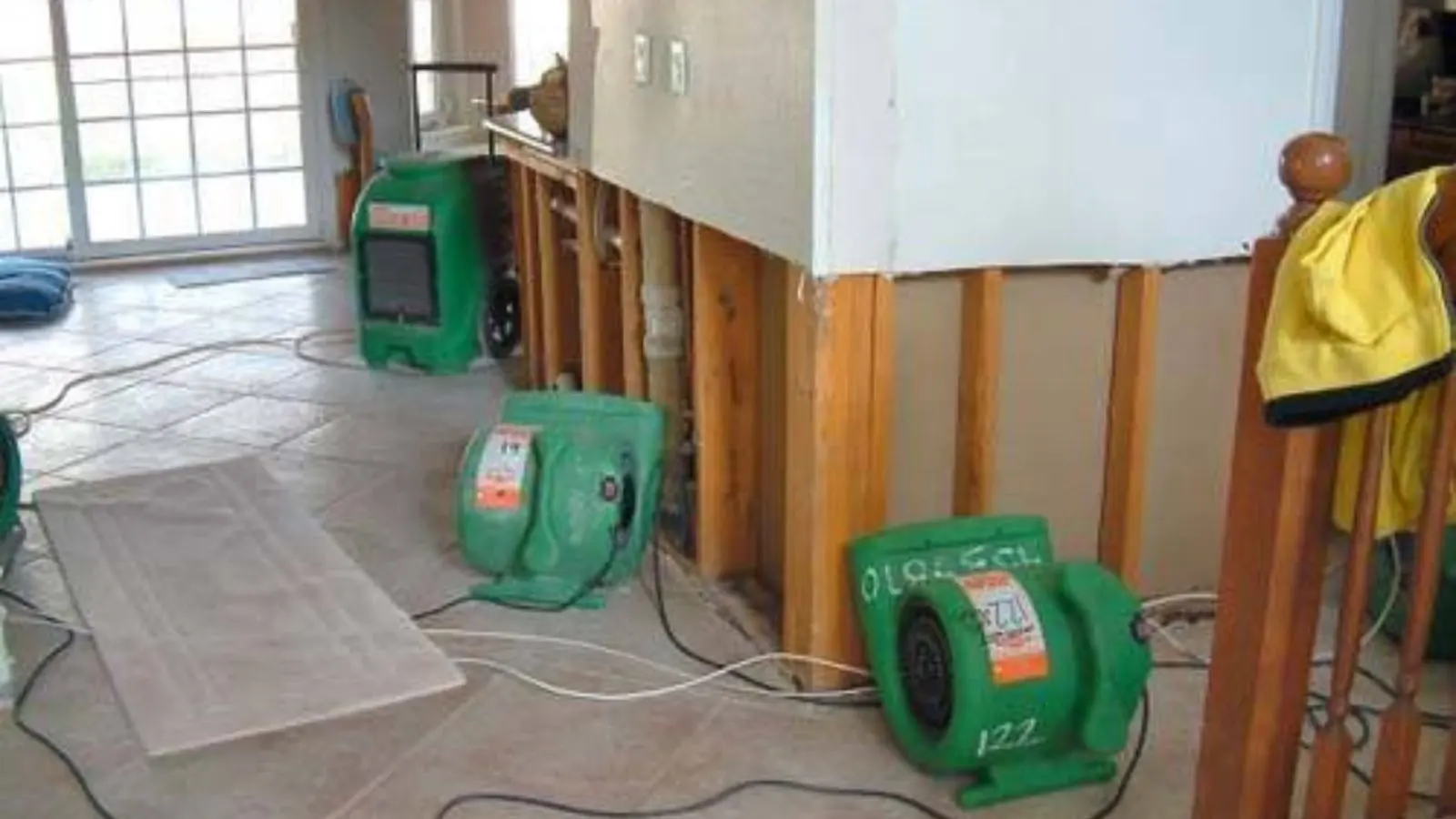
Professional drying produces its own paper trail. Crews take moisture readings, mark the wet areas and place air movers and dehumidifiers. Ask for a copy of the readings and the equipment list when the job is finished.
That paperwork matters most on larger jobs. Structural drying is measured, so the readings show the day the materials returned to a normal level. If a basement was involved, see how basement water damage cleanup is recorded in the same way.
Mistakes that weaken a record
The most common one is cleaning first and photographing later. Once the carpet is out and the drywall is cut, the extent of the wet area is a matter of memory. Another is a vague description, like water in the basement, with no date, room or cause attached.
A written account helps. In four or five sentences, say when you found the water, where it was, what you did to stop it and who you contacted. Update it as things happen, and keep it with the photos. Re-reading it before the adjuster visit also keeps your story consistent.
Timing and follow up
Report the damage as soon as you decide to file and ask how long you have, because policies differ. Illinois guidance says a reasonable wait for an adjuster on a minor claim is about 3 to 5 days. If it takes longer, write down each call you make.
Recoverable depreciation usually comes with its own time limit, commonly between six months and one year depending on the policy and state law. Put the date on your calendar. If you move to a rental in Schiller Park or Franklin Park while repairs happen, keep those housing receipts too and ask whether your policy reimburses extra living costs.
Questions about this topic
How many photos do I need for a water damage claim?
There is no set number. Cover every affected room with wide, medium and close-up shots, and film a walkthrough. More is better because photos are cheap and the damage will not look the same after cleanup.
Should I keep the damaged items?
Keep them until the insurer says otherwise, unless they are unsafe to store, such as items soaked by sewage. Photograph everything first and write down brand, age and value. A small sample of flooring or fabric can help.
Can I start cleanup before the adjuster arrives?
Yes. Illinois guidance says to make essential temporary repairs that prevent further damage, and to keep the receipts. Save permanent repairs for after you have talked to the insurer.
I rent a Bensenville apartment. What should I document?
Photograph the damage, your belongings and the source, and send them to your landlord in writing the same day. Keep a copy of the message.
Then contact your own renters insurer, since your belongings are usually covered under your policy and not the landlord's.
What if my claim is denied?
Ask for the denial in writing. Illinois guidance says to then contact the state insurance department. Your photos, receipts and call log are what you will rely on at that stage.
Still unsure which page fits your situation? Dispatch can sort it out in one call.
(630) 580-6401