
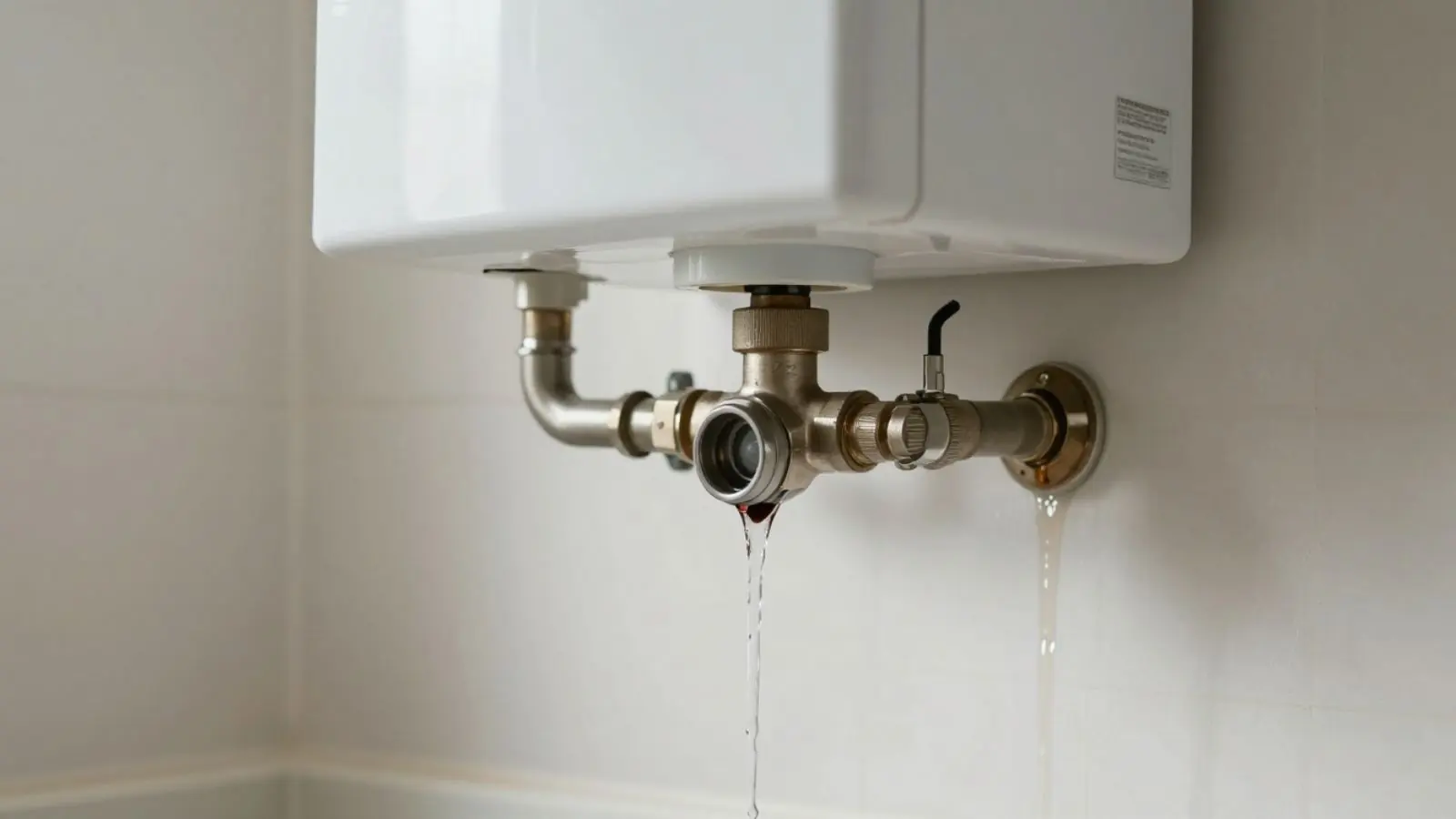
Nobody is home to hear a drip, see a stain or catch a sump pump that quits, which is why trips are when small failures become large ones. Preventing water damage while away means cutting off or watching the usual sources before you lock the door. Use this checklist before a vacation, a long work assignment or a winter stay somewhere warmer, and adjust it for a house or an apartment.
Decide how long you will be gone
The right list depends on the trip. A weekend away needs fewer steps than three weeks, and a house with a sump pump needs more thought than one without. Pick a level before you start, so you are not improvising at the airport.
Short trip, up to a long weekend: do the quick checks and tell a neighbor. A week or more: add the main shut-off and water heater steps. A winter trip of any length: add heat settings and a visit schedule.
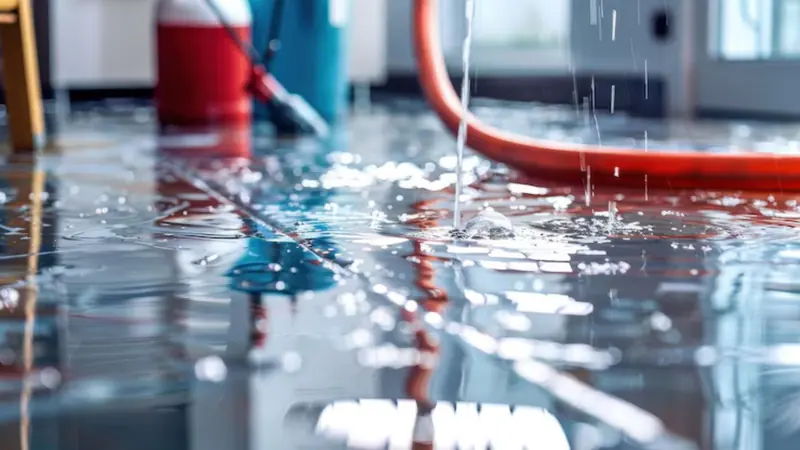
Shut off the water where you can
The most effective step is closing the main water valve, which stops anything on the supply side from running while you are gone. Find the valve before you need it, test that it turns, and tag it so a house sitter knows what it does.
If you leave the main on, close the individual shut-offs behind the washing machine, the dishwasher and the ice maker, and the one under the kitchen sink. These small valves are the usual weak points, and they are quick to turn.
Write down which valves you closed and in what order. When you return, open the main slowly, walk the house and listen for hissing, then check under sinks and behind the washer for drips before you settle back in.
The pre-departure checklist
Work through these in the last day before you leave. Mark them off on paper so a partner or house sitter can see what has been done.
- Close the main water valve, then open one faucet briefly to relieve pressure if you plan to leave it off.
- Look over washing machine hoses for bulges, cracks or rust at the fittings, and replace worn ones before the trip.
- Set the water heater to its vacation or low setting, or shut off its supply, following the manufacturer's directions.
- Check that the sump pump runs by lifting the float or pouring water in the pit, and confirm the discharge line is clear.
- Disconnect and drain garden hoses, and shut the outdoor tap if it has an interior valve.
- Set the thermostat to a safe, steady temperature and leave interior doors open to let warm air reach pipes.
Not sure which way to go? Talk it through with dispatch.
(630) 580-6401Winter in the Chicago area
Chicago-area winters can swing from mild to hard cold, and an unheated house can lose heat fast if the furnace stops. Keep the thermostat at a steady setting recommended for vacancy in your home, open cabinet doors on exterior walls, and ask someone to visit and confirm the heat is running.
This is prevention, not a pipe repair guide. If a pipe has already failed, the steps are different and you should see the burst pipe water damage page for what to do next.
Bensenville households that travel
Bensenville has a Metra station on the Milwaukee District West Line and sits right beside O'Hare International Airport, so plenty of households here leave for days at a time on short notice. That is the case for a checklist that lives on the fridge, not in your head. If you commute by train all week, run the short version every Sunday night, and if you fly out of O'Hare, do the full list the evening before.
The Village of Bensenville says it cannot prevent flooding, so a working sump pump and clear discharge line are your own responsibility. About half of homes here are rentals according to the CMAP housing toolkit, so tenants should tell the landlord before leaving. Friends or family in Schiller Park or Wood Dale make good neighbor-check partners, since they are close by.
Smart leak sensors and a neighbor check
Small battery sensors sit on the floor near the water heater, washing machine, sink or sump pit and send an alert to your phone when they get wet. Some models pair with an automatic shut-off valve on the main. They are a useful extra layer, but they need batteries and a wifi signal, so test them before you go.
A human check still beats a gadget. Give one neighbor your phone number and the location of the main, and ask them to look in every few days. Tell them what to do if they hear running water.
Place sensors where water would collect first, not where it would arrive last. A sensor on the floor beside the sump pit warns you earlier than one on a shelf across the basement.
If you come home to water
Stay out if you see water near outlets or smell gas, and call the utility or 911 before anything else. If it is safe, close the main, take photos and move valuables up. Water heater leak cleanup and appliance leak water damage pages cover the most common sources found after a trip.
Keep receipts for emergency steps and call your insurer before making permanent repairs. Drying the space early limits what has to be removed.
Questions about this topic
Should I shut off the main water before a trip?
For a trip of a week or more, many homeowners do. It stops supply-side leaks cold. Check that the valve works first and that nothing in the house, such as a fire sprinkler or humidifier, needs constant water.
For a short trip, closing the individual appliance shut-offs is a lighter option.
Is it okay to turn the heat way down while I am away in winter?
Pick a steady setting that keeps the house comfortably above the point where pipes are at risk and avoid turning the heat off. Your furnace manufacturer or HVAC contractor can suggest a number for your home.
Have someone confirm the system is running if you will be gone for more than a few days.
What should a house sitter know about water?
They need the main shut-off location, the water heater location, your phone number and what to do in an emergency. A printed one-page note on the counter works well.
Add the number for your plumber and your insurance contact.
Does being near O'Hare or the Metra line change anything about trip prep?
Not the physical steps, but it affects timing. Bensenville households often leave from the Metra station or O'Hare on short notice, so a printed list kept near the door gets used more often.
Do the short version every week if you commute, and the full list before a long trip.
Will smart leak sensors prevent a flood?
They alert you or close a valve, but they do not fix the leak. Pair them with a neighbor who can go in.
Test the batteries and your wifi connection before leaving.
Still unsure which page fits your situation? Dispatch can sort it out in one call.
(630) 580-6401