
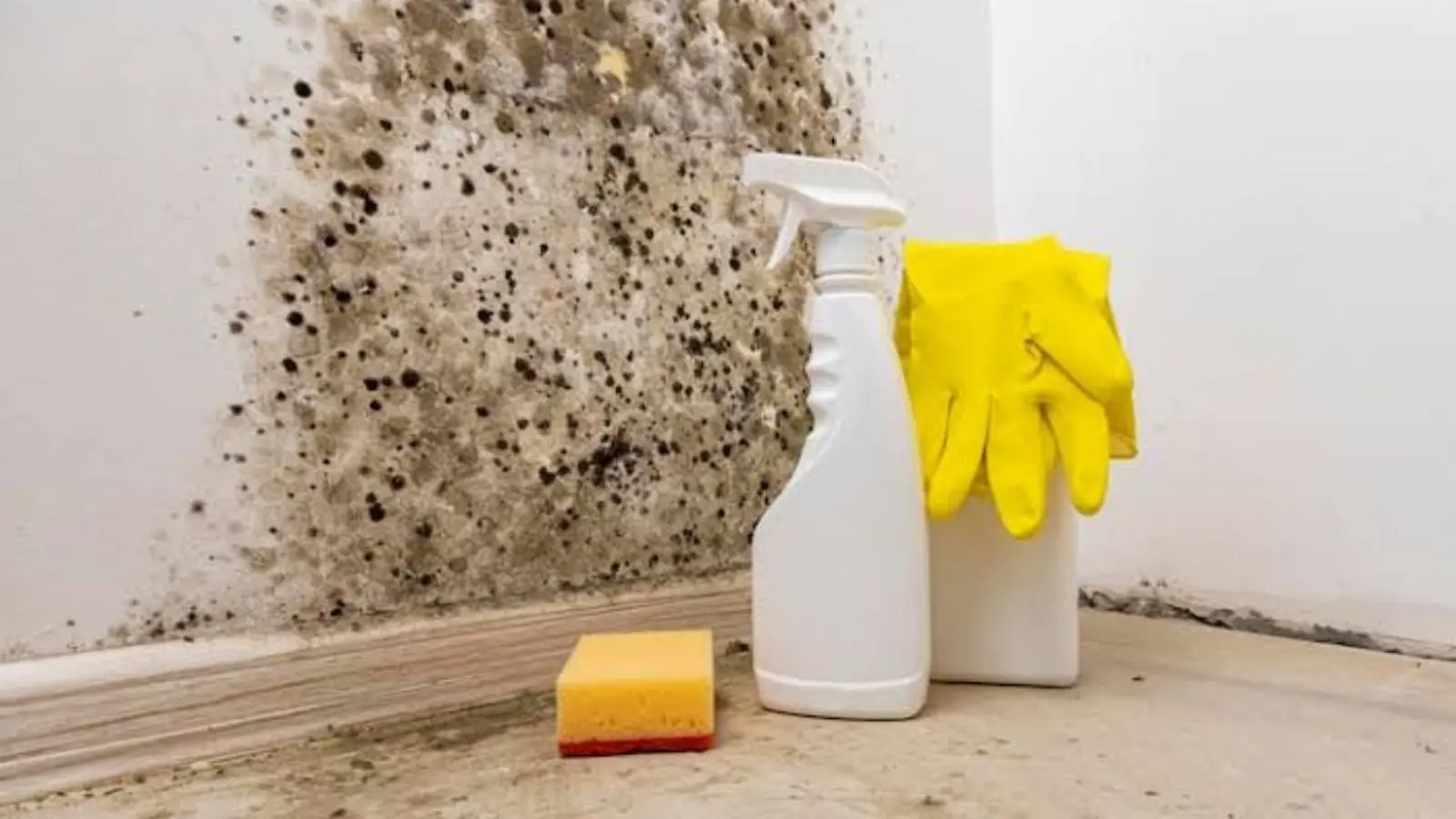
Knowing how to remove mold starts with knowing how much of it there is and what it is growing on. A few spots on a tile wall are a cleaning task. A damp, crumbling section of drywall is a construction task.
This guide gives the working rule, the steps for the small jobs and the signs that a job has outgrown DIY. It treats mold as a symptom of moisture, because removal without a dry building is only temporary.
Size, material and cause
Three questions decide almost everything. How large is the affected area, what is it growing on and has the moisture source been found? Small, on hard surfaces and with a known and fixed cause is DIY territory. Large, on porous materials or with an unknown cause is not.
Published guidance, including the ANSI/IICRC S520 standard, treats remediation as a planned process and not as a scrub. You do not need to read the standard to benefit from its logic: control the moisture, protect the rest of the home, remove what cannot be cleaned and verify the result.
Four situations and what each calls for
None of these is a diagnosis. They are patterns that tell you how much help the job needs.
Small spots on hard surfaces
Tile, glass, sealed countertops and painted trim can usually be cleaned with detergent, water and a brush while wearing a respirator, gloves and eye protection.
Mold on drywall or ceiling tile
Porous materials absorb growth below the surface. Wiping the face rarely removes it, and affected pieces often have to be cut out, bagged and replaced.
Mold after a flood or long leak
Materials that stayed wet for days are more likely to have widespread growth. Drying comes first, and removal usually involves containment and equipment.
Mold in HVAC or ductwork
Growth that touches the air handler or ducts can move through the house. Turn the system off and get it assessed before anything is cleaned.
Steps for a small DIY job
Skip the shop vacuum, since a standard vacuum can exhaust fine particles back into the room. Skip painting over it, too. Paint covers growth, it does not remove it.
- Fix the water source first. Mold removed from a wall that is still wet will return to a wet wall.
- Seal the area. Close doors, cover vents and set a fan to exhaust out a window, but do not blow air across the growth.
- Wear a fitted respirator, gloves and eye protection, and old clothes you can wash at once.
- Clean hard surfaces with detergent and water. Scrub, wipe and rinse with clean rags.
- Bag all rags and discarded items, tie the bag closed and take it out directly.
- Dry the area completely, then watch it over the next few weeks for any change.
When to stop and call a professional
Call a professional when growth covers a large area, when drywall or wood is soft, when it follows sewage or contaminated water, or when you cannot find where the moisture is coming from. Also call if the mold is in or near the HVAC system or if you are not able to do the work safely yourself.
A remediation company works under containment, with negative air in many cases, removes affected materials in sealed bags and cleans the area before it is closed up again. Ask whether the crews follow S520 and what the written scope includes.
Not sure which way to go? Talk it through with dispatch.
(630) 580-6401Bensenville homes and where mold takes hold
The Illinois Mold Remediation Registration Act exists, but the Illinois Department of Public Health says remediation professionals are not required to register until its rules are adopted. Proposed rules appeared in the Illinois Register on October 17, 2025. Because the status can change, check the IDPH mold remediation registration page before hiring, and ask any company how its crews work.
If a mold job involves rebuilding, the Village of Bensenville Community and Economic Development office handles building inspections and can be reached at 630-350-3413. The Village publishes permits for items such as additions, remodels and water heater replacement, but not for every repair, so ask the office whether a permit applies to your work before you start cutting walls.
What a written scope should say
If you hire out the work, ask for the plan on paper before anything is torn out. The scope should be clear enough that you could hand it to another company and get a comparable answer.
- The area and materials to be removed, with rough measurements.
- How the work area will be contained and how air will be handled.
- How the moisture source is being addressed and by whom.
- How affected materials will be bagged and removed.
- How the result will be checked before the area is closed up.
- Whether rebuild is included or quoted separately.
Why drying decides the result
Moisture meters read what the eye cannot. A wall can look dry on the surface and still hold water in the lower cavity. Air movers and dehumidifiers, set after the wet material is out, bring the building back to a normal moisture level.
If the mold followed a flood or burst pipe, structural drying and dehumidification is part of the answer, not a separate luxury. The full removal process is on the mold remediation page.
After the removal
Check the area after a few weeks and again after the next heavy rain or humid stretch. Look for staining, a musty smell or bubbling paint. Keep indoor humidity moderate and run bathroom and kitchen fans.
If you are selling or in a dispute, a written record of what was done helps. Homeowners in Addison and Stone Park ask the same follow-up questions, and the practical answer is the same. Control moisture and keep looking.
Keep stored items off basement floors and away from exterior walls, and leave a few inches of space behind furniture so air can move. Small habits like these do not replace repairs, but they make it easier to spot a damp patch early.
Questions about this topic
How big a mold area can I clean myself?
There is no single rule. Small patches on hard surfaces with a known, fixed cause are within reach. Larger areas, soft materials and unknown moisture sources are better handled by a professional.
Does vinegar remove mold?
It can clean some surface growth on hard materials, though it does not solve a moisture problem. Whatever you use, follow the label, wear protection and never combine cleaners.
Do I need to throw away moldy drywall?
Usually, if it is soft, stained through or large in area. Porous materials absorb growth beneath the surface. Cut out beyond the visible edge, bag it and replace it once the cavity is dry.
Can I stay in the house while mold is removed?
Often yes for small jobs. For larger jobs, containment separates the work area from the rest of the home. Health questions belong with a physician, so ask your doctor if someone in the home has concerns.
Does Bensenville require a license for mold removal?
Illinois has a registration act for mold remediation, but IDPH says registration is not required until rules are adopted. Proposed rules were published October 17, 2025. Check the IDPH page for the current status.
Still unsure which page fits your situation? Dispatch can sort it out in one call.
(630) 580-6401