
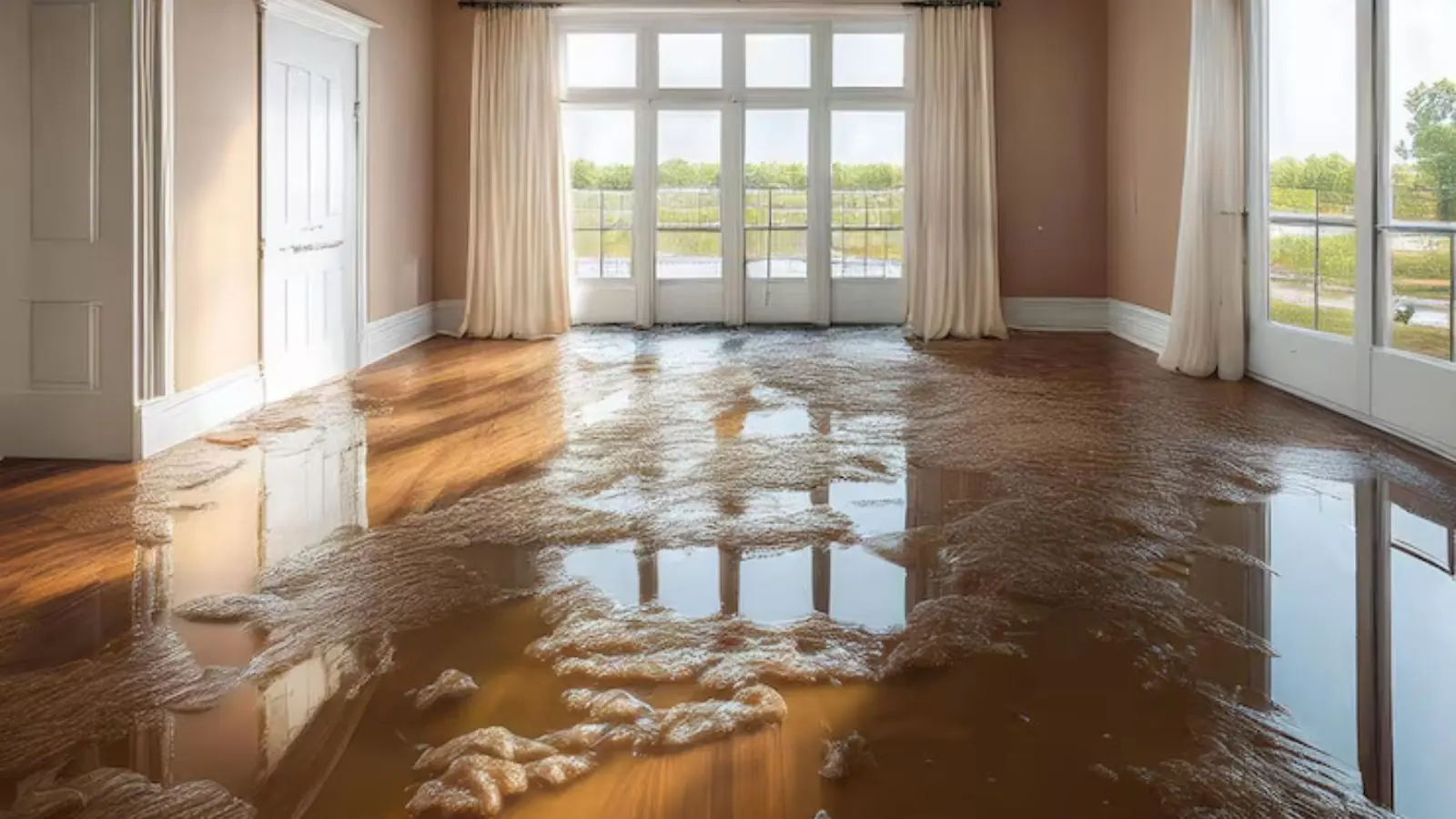
Whether homeowners insurance covers mold is one of the most common questions after a leak, and nobody can answer it for your house without reading your policy. In general terms, mold coverage is often limited or excluded, and what matters is usually how the water got there. This guide explains the pieces that tend to decide the outcome and what to ask your insurer, so you walk into that call prepared.
The general pattern
Many policies treat mold as a result of something else rather than as a stand-alone event. If a covered event, such as a sudden pipe failure, causes water damage and mold follows, some policies respond to the mold up to a stated limit. If the water came from a source the policy excludes, the mold that follows is typically excluded too.
Some policies exclude mold with narrow exceptions, and some offer an add-on endorsement for higher limits. Because wording varies so much, treat everything here as a map of questions, not as an answer.
What to look for in your policy
Pull out the full policy, not just the declarations page. The details live in the exclusions and endorsements. Read slowly and mark anything that mentions fungi, mold, wet rot, seepage or continuous leakage.
- A named mold, fungi or wet rot limit, and whether it is a separate dollar cap or part of the main limit.
- A list of covered perils, and whether the water source you had is on it.
- Exclusions for gradual leakage, seepage or long-term moisture.
- Wording on flood and groundwater, which are usually excluded from standard homeowners policies.
- Any duty to prevent further damage, such as making temporary repairs or drying the area.
- Deadlines for reporting and for submitting documents.
Why the water source usually decides it
Insurers tend to ask where the water came from first and what was growing second. The table shows the common pattern in general terms. It is not a promise about any policy.
| Water source | How policies often treat the water | What it can mean for mold |
|---|---|---|
| Sudden pipe or appliance failure | Often covered when sudden and accidental | Mold may be covered up to a limit, or excluded |
| Slow drip or long-term seepage | Often not covered | Mold is commonly excluded as well |
| Surface flood or rising creek water | Usually excluded without flood coverage | Mold from that water is usually excluded |
| Sewer or drain backup | Often needs an endorsement | Depends on that endorsement |
| Roof or storm opening | Often covered when damage was sudden | Depends on timing and mold limit |
Local facts that shape a Bensenville mold claim
The Village of Bensenville says it cannot prevent flooding and identifies Willow Creek, Silver Creek and Addison Creek as separate flood sources with their own floodplains. The Illinois Department of Insurance guide adds that most policies do not cover floods unless flood coverage was bought separately. Ask the Village Engineering Division at (630) 350-3435 how to learn whether your property is in a floodplain, and ask your insurer whether you carry flood coverage at all.
The same IDOI guide advises photographing damage, keeping receipts for emergency repairs and avoiding permanent repairs before talking to the insurer. Residents in Wood Dale and Franklin Park are told the same thing, and it applies equally if you rent and carry a tenant policy.
Not sure which way to go? Talk it through with dispatch.
(630) 580-6401Document before you clean
Good records shorten claim conversations. Photograph or video the affected areas and belongings before moving anything, and note the date you first saw the problem. Keep invoices for emergency drying or extraction. If water damage came first, a well-run mold remediation job ties its scope to moisture readings and photos so the sequence is easy to show.
Do not discard damaged materials until you know whether the insurer wants to inspect them. Ask first, and keep a small sample or photographs if material must go.
Questions worth asking your insurer
A phone call goes better with a written list. Ask, and note the name of the person and the date of the call.
- Does my policy have a mold limit, and how much of it remains?
- Was the water source I had a covered peril under my policy?
- How long do I have to report the loss and to submit documents?
- Do you need to inspect before I dry out or remove materials?
- If the claim is denied, can I get the denial in writing and learn how to appeal?
Timing, depreciation and denials
The Illinois Department of Insurance guide says to report damage as soon as you decide to file and to ask how long you have. It describes a wait of about 3 to 5 days for an adjuster on a minor claim as reasonable, and it notes that time limits to recover depreciation are usually 6 months to 1 year, depending on the policy and state law.
If a claim is denied, ask for the denial in writing. Then you can contact the Illinois Department of Insurance with the letter in hand. Keep a running log of calls with dates, names and what was said, since a clear sequence helps more than memory does.
For renters, the same logic applies to a tenant policy, which covers your belongings but usually not the building. The landlord's policy covers the structure, so a stained wall is a message to the landlord, and a ruined sofa is a message to your own insurer.
Dealing with water first, mold second
The best result is usually to dry quickly enough that mold never becomes the main issue. After a leak, basement water damage cleanup or similar drying work addresses the cause, and removing wet materials fast matters more than any later fight over coverage. Mold needs moisture, so drying is the step that counts.
A company that explains scope and price before work starts can also give you the written detail an insurer may ask for. Whether the insurer pays is a separate decision that belongs to the policy and the insurer, and no contractor can promise it.
Questions about this topic
Does homeowners insurance always exclude mold?
No, and it does not always cover it either. Some policies include a limited amount of mold coverage when it follows a covered event.
Read the mold, fungi and wet rot wording in your own policy and ask the insurer for a plain explanation.
Is mold from a slow leak covered?
Often not. Many policies exclude gradual or continuous leakage, and mold that follows is commonly excluded with it.
Check your policy and report promptly if you are unsure whether the leak was sudden.
Does flood insurance cover mold after a creek or surface flood?
That depends on the flood policy and its terms. Standard homeowners policies usually exclude flood, so separate flood coverage is the first question.
Ask the insurer directly what the flood policy says about mold.
Should I clean mold before calling my insurer?
Photograph and document first, then ask your insurer. Make only the temporary repairs needed to prevent more damage, such as stopping the water.
Permanent repairs made before you speak to the insurer may not be paid for.
Can a restoration company promise my insurer will pay?
No company can promise that. The insurer decides based on your policy.
A company can explain scope and price in writing and give you moisture logs and photos to share.
Still unsure which page fits your situation? Dispatch can sort it out in one call.
(630) 580-6401