
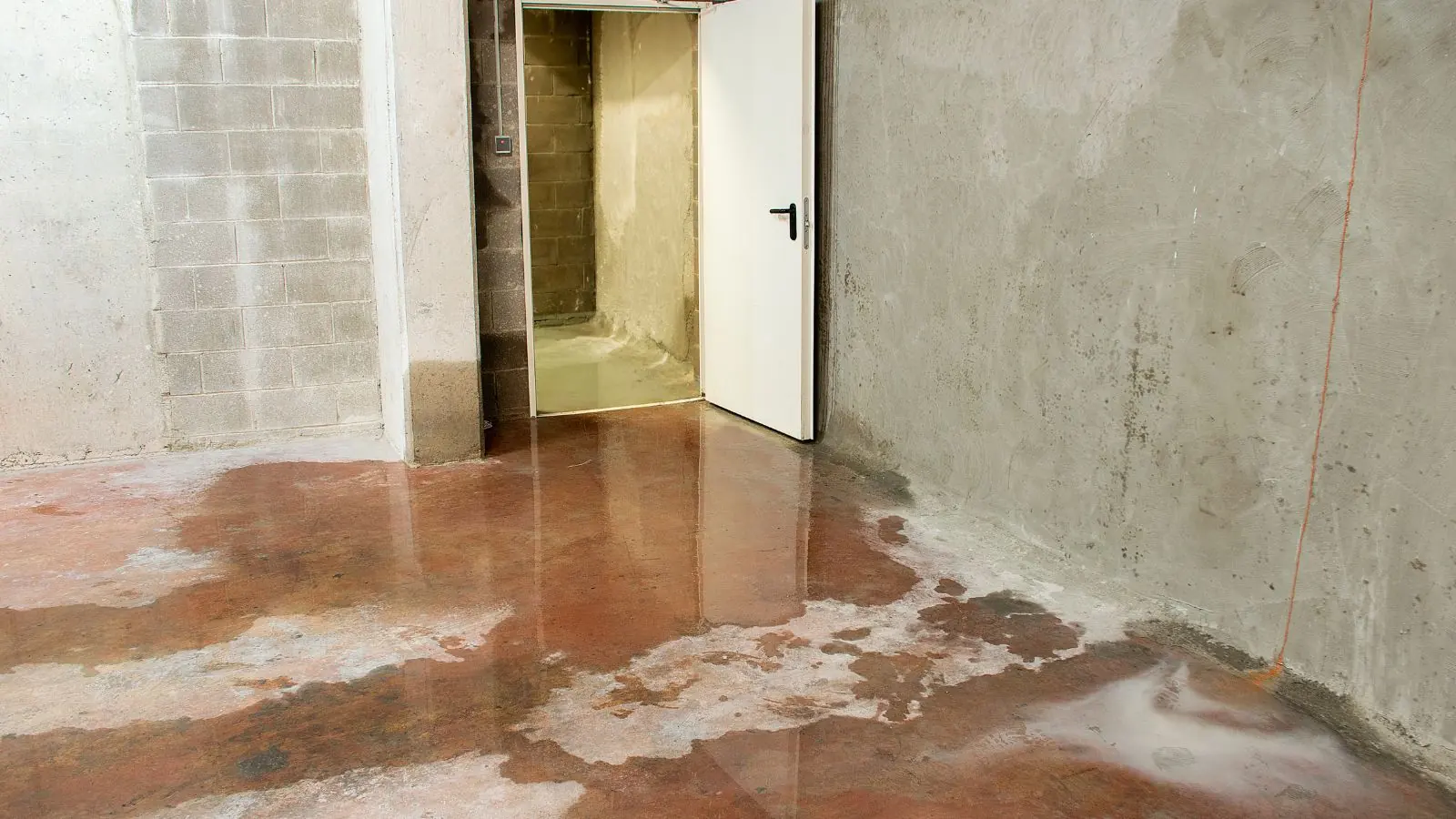
A wet store, office or warehouse loses money every hour it stays closed, and the dispatch line is open 24/7. Before crews arrive, stop the source if you can, close the main water valve, cut power to wet areas only if you can reach the panel dry, lift stock and files off the floor, and keep staff and customers out of any dirty water.
Commercial water damage is a loss in a business building that needs extraction, drying and records, often across several tenants or suites.
Water is spreading through the building after hours
After hours is when many commercial losses are found, by an alarm company, a cleaner or a passing neighbor. Whoever finds it should act first and then call the line, which sends licensed and insured crews, and same-day service is offered where available. Call at night or on a weekend, because wet drywall, carpet tile and ceiling grids soak up water quickly.
If there is an electrical, gas or sewage hazard, keep everyone out and call the utility or 911 before calling us.
- Find the keyholder, property manager or landlord and tell them water is spreading.
- Shut off the water at the main or at the zone valve, and stop fire sprinkler discharge only through the proper valve or the fire department.
- Move inventory, electronics and paper records up onto shelves, tables or pallets.
- Photograph the water, the ceiling and the damaged stock before anything is removed.
- Tell the dispatcher about alarm codes, gate access, loading dock hours and who will meet the crew.
Four kinds of commercial water loss
The building type changes the plan, because water moves differently through a strip center than through a single-tenant warehouse. A short description of your space helps the dispatcher send the right equipment.
Retail and strip centers
Shared roofs, walls and slab mean water from one unit reaches the next. Neighbor tenants need to know early, so everyone documents their own loss.
Offices and suites
Carpet tile, drop ceilings, server rooms and file storage are the main concerns. Moving electronics and records first limits losses that no cleanup can reverse.
Warehouses and light industrial
Big floors, pallet racking and stored goods mean extraction and moving inventory come first. Concrete slabs are dried in place.
Restaurants and food service
Kitchens, walk-ins and grease traps add contamination and health-department questions. Ask the Village which approvals apply before reopening.
Landlord, tenant and property manager: who does what
Leases differ, so we cannot say who is responsible in your building. Read the lease and your policy, and notify the landlord and property manager in writing the same day. Both sides should keep records that match.
| Situation | Who should be told | What to document |
|---|---|---|
| Pipe breaks inside your suite | Landlord and property manager | Source, shut-off time and wet areas |
| Water comes through the ceiling from above | Landlord and the upstairs tenant | Stains, dripping and damaged stock |
| Roof or exterior wall leak | Landlord, who usually handles the envelope | Water path and the rain that day |
| Sprinkler or alarm discharge | Fire department, landlord and your insurer | Valve, time and what was soaked |
Water spreading or a smell you cannot place? Talk to dispatch now.
(630) 580-6401Keeping the doors open: downtime and phased work
Many businesses cannot close entirely, so the work is staged. Crews can dry one section while another keeps operating, and containment limits dust, noise and odor reaching customers. Extraction and drying run first, and removal and rebuilding follow.
Plan around deliveries, shifts and inspection dates. A clear schedule from the crew lets you tell staff and customers what to expect.
Irving Park Road and the O'Hare-area businesses
Businesses along the Irving Park Road corridor often share walls, roofs and utilities with neighbors, so a leak in one suite can show up in the next. Tell neighboring tenants and the property manager early, because a shared slab or ceiling space lets water travel. Document your unit before drying equipment is placed.
Companies near O'Hare often work odd hours and sometimes need security clearance or escorts for contractors. Give the dispatcher your access rules at the first call so a crew is not stuck at a gate. Our water extraction crews can start at any hour. The Irving Park Road corridor page covers that stretch in more detail.
Drying and documentation for a commercial loss
Crews extract standing water, map moisture with meters and thermal imaging, and use air movers and LGR dehumidifiers until readings meet the targets in ANSI/IICRC S500. You can ask any company whether its crews work to that standard. Logs of readings and equipment days give you records for the landlord and insurer.
The structural drying page explains the process. A broken line is covered under burst pipe water damage, and sewage or storm sources are on the sewage backup cleanup and storm water damage pages.
What drives commercial water damage cost
Commercial jobs vary widely, so you hear the scope and the price before any work begins. Business property policies often cover sudden and accidental water, and some include business interruption, but read yours and ask your insurer. Gradual leaks are often excluded, and floods usually need separate coverage.
To price your actual job, call (630) 580-6401.
- Square footage, number of suites and floors affected.
- Water category and what the building materials are.
- Hours of the work, since after-hours access and phasing change scheduling.
- Contents, stock and equipment that need moving or protection.
- Equipment count and days of drying across the building.
- Shared spaces where several tenants or owners are involved.
Questions about Commercial Water Damage
Do you handle commercial water damage emergencies at night or on weekends in Bensenville?
Yes. The dispatch line answers 24/7 and sends licensed and insured crews, with same-day response when available. Give the dispatcher your access details and any hazards at the first call.
Can the work happen while my business stays open?
Often, yes. Crews can stage extraction and drying by zone and contain the work area. The plan depends on how far the water spread and what your customers need to reach.
Who is responsible when water comes from a neighboring unit?
That depends on the lease, the source and the policies involved, and we cannot decide it. Notify the landlord and property manager in writing the same day, photograph your unit, and ask your insurer.
What records should I keep?
Photographs, a list of damaged stock with dates, receipts for emergency work and copies of the drying logs. Keep notices you send to the landlord and tenants, and give your insurer what it asks for.
How long will a commercial loss take to dry?
It varies with materials, water category and building size. Concrete slabs and thick walls take longer than carpet tile and ceiling grids. Your crew sets targets and checks readings each visit.
Do you serve businesses outside Bensenville?
We serve Bensenville and nearby towns such as Franklin Park. Call and describe the building, and the dispatcher will tell you if a crew is available.
Still unsure which page fits your situation? Dispatch can sort it out in one call.
(630) 580-6401