
Does Homeowners Insurance Cover Water Damage? Bensenville Guide
A plain answer for Bensenville homeowners and renters on which water losses a standard policy tends to cover, and which it tends to leave out.

Guides that answer the questions people ask before and after a leak, from insurance and cost to mold and water categories.
These guides are for the questions that come up around a water loss but are not about the cleanup itself. Does insurance cover this, what decides the price, how fast does mold start, and how dirty is this water.
Each guide is written for Bensenville homes and uses sources such as the Illinois Department of Insurance and the Illinois Department of Public Health. If water is active right now, skip the reading and call the 24/7 line.
The insurance guides explain, in general terms, which kinds of water damage policies often cover and which they often do not. They also cover what to photograph, what receipts to keep and when to report.
The cost guides list the factors that move a restoration bill, such as area, materials, equipment days and the water category. They do not quote prices, because every job is different, and the scope and price come first, then the work.
The mold guides cover what mold needs to grow, when testing makes sense and how remediation follows the ANSI/IICRC S520 standard. Health questions belong with a physician, and the guides say so.
The water category guides explain clean, gray and black water in plain terms, so you can tell whether something needs water extraction and drying or a full sewage backup cleanup. For active mold, see mold remediation.
A plain answer for Bensenville homeowners and renters on which water losses a standard policy tends to cover, and which it tends to leave out.
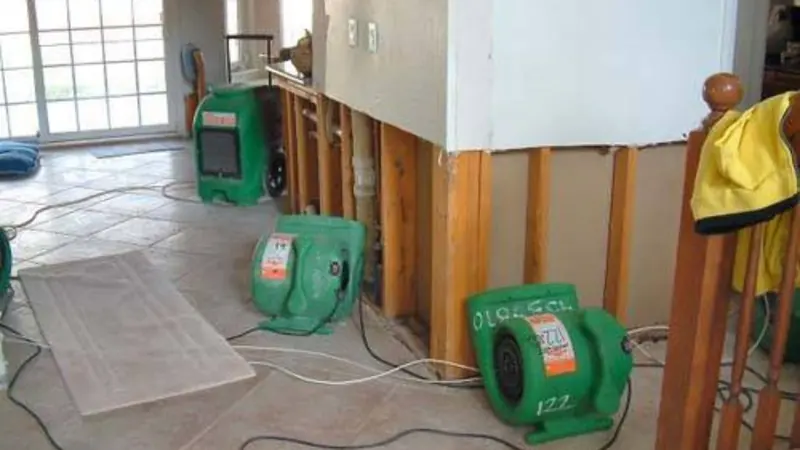
What to photograph, write down and keep so your water damage insurance claim has a clear record behind it.
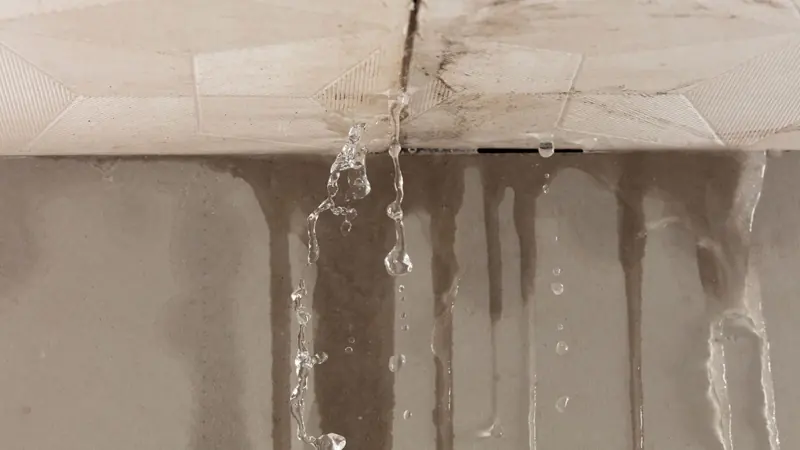
A stained ceiling below the bathroom or a soft spot at the shower curb can point to a pan that stopped holding water.
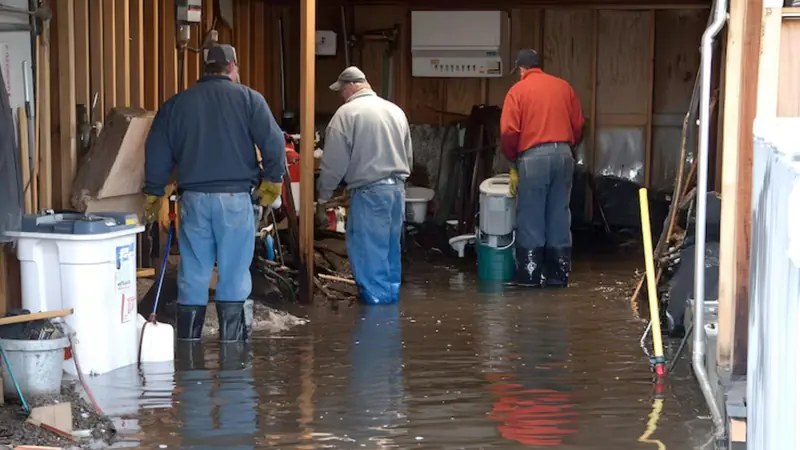
Two flooded rooms can cost very different amounts. These are the factors that move the number up or down.
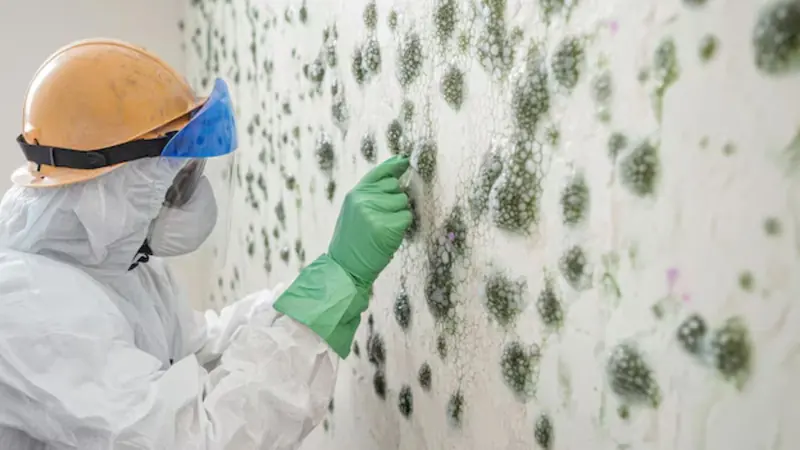
Cleaning the black spots on grout and caulk is the easy part. Dealing with the moisture that grew them is the part that decides the outcome.
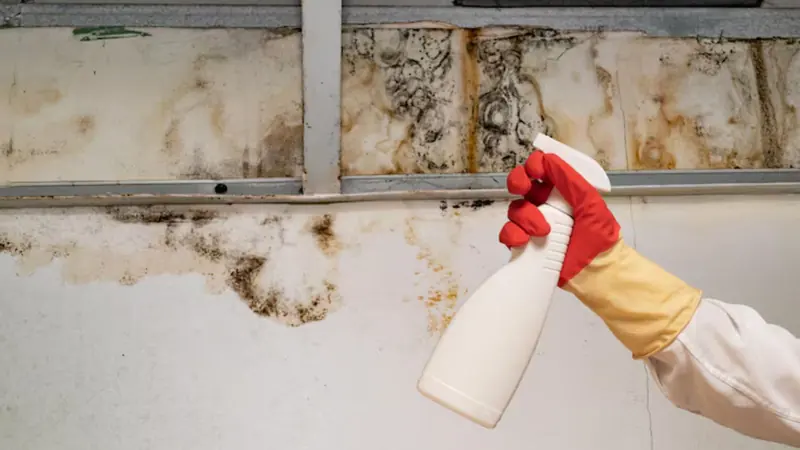
The name sounds like a single dangerous thing, but the label covers a lot of ground. Here is what it means and what to do when you find dark growth.
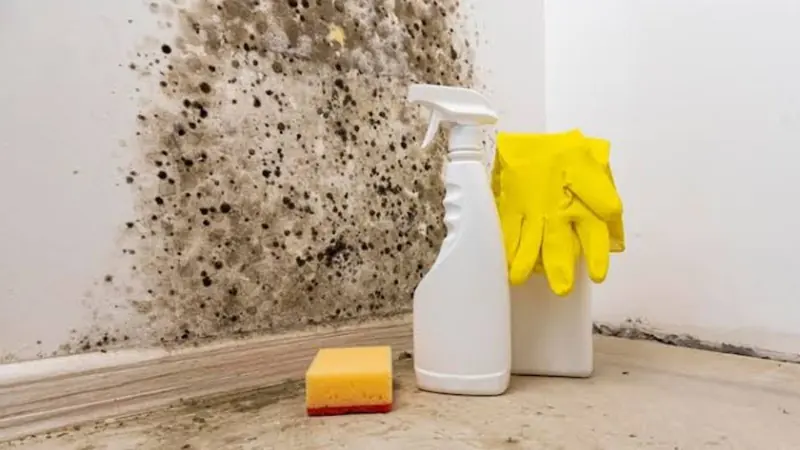
Some mold cleanup is a weekend job with gloves and a bucket. Other cases need containment, tear-out and a written plan.
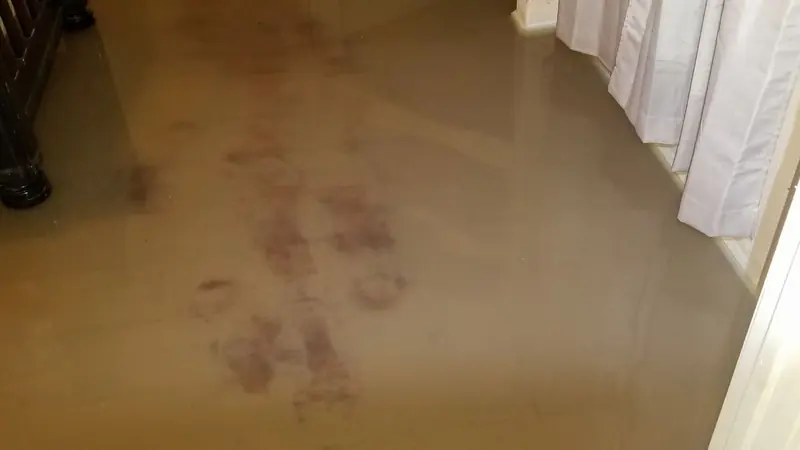
The category tells you how contaminated the water is, and that decides what can be dried, what must be thrown out and who should do the work.
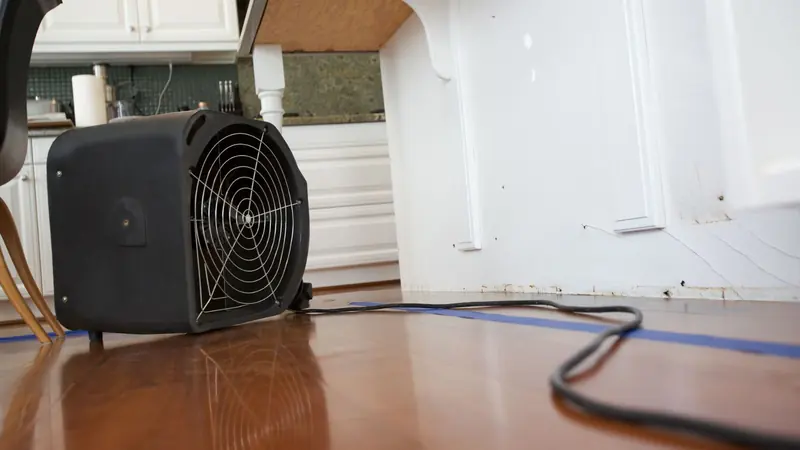
Rings, odors, rusty screws and crumbling drywall each say something about how long moisture has been there, though none of them settles it alone.
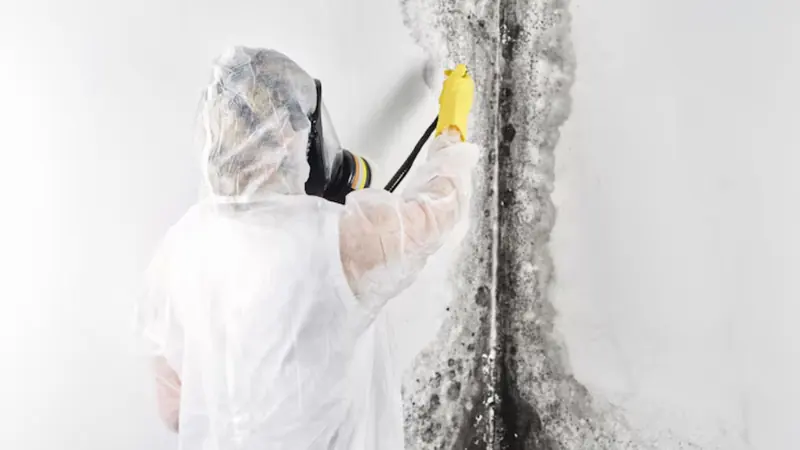
A clearance test is the check after cleanup, and buyers, lenders and agents may ask to see it before a Bensenville closing.
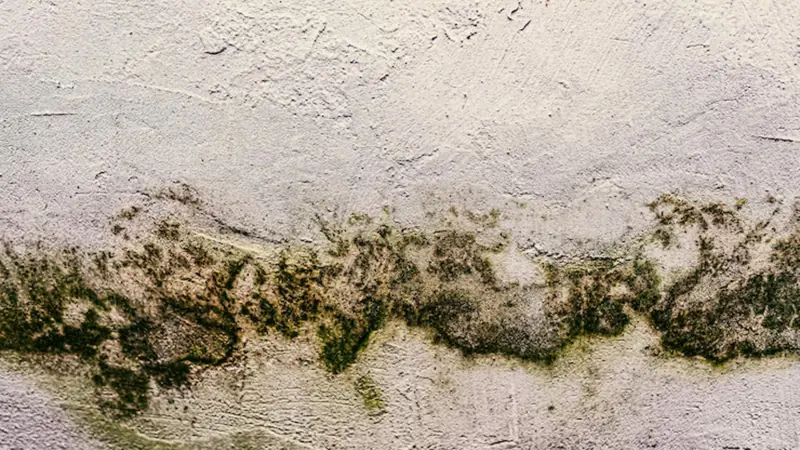
Mildew is a surface growth and mold is a broader term, but the practical question is always the same: why is that spot staying damp?
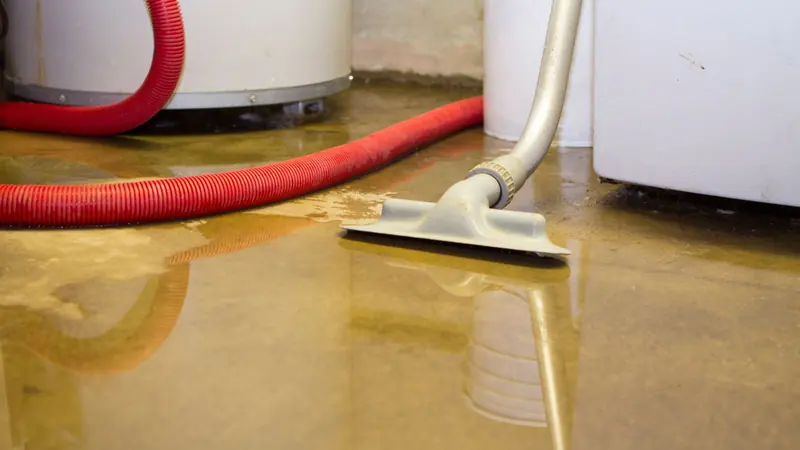
Two household tests and a short list of warning signs can tell you whether water is escaping before a ceiling or floor shows it.
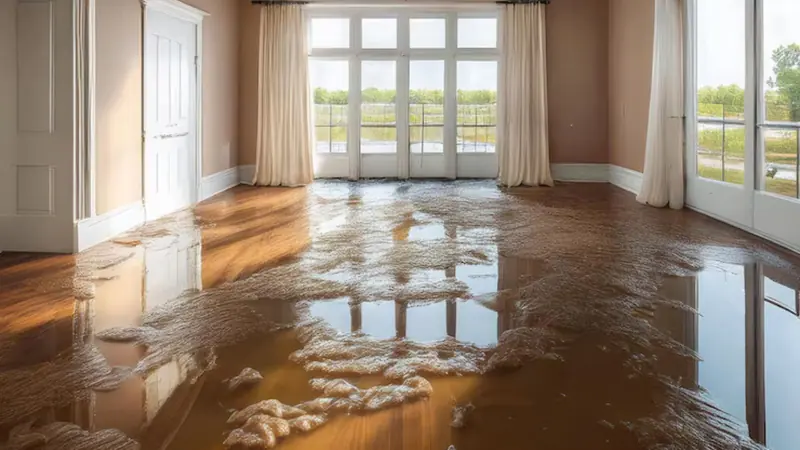
The honest answer is that it depends on your policy wording, the water source and how quickly the problem was handled.
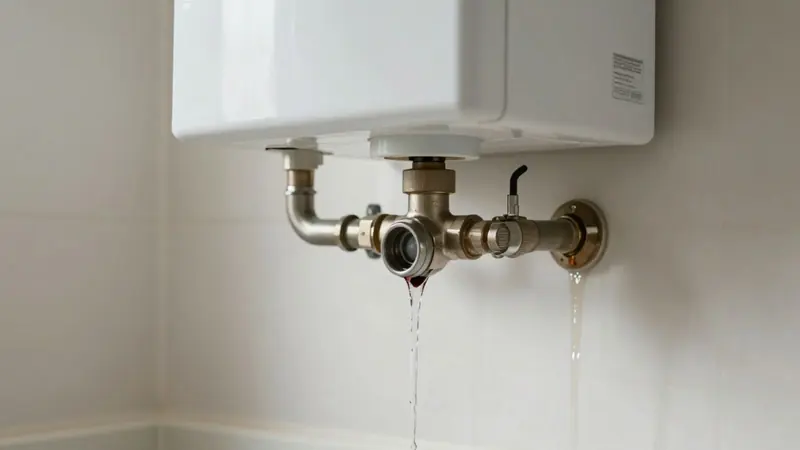
A leak that runs for a week in an empty house does far more harm than the same leak caught in an hour, so a short checklist before you leave is worth it.
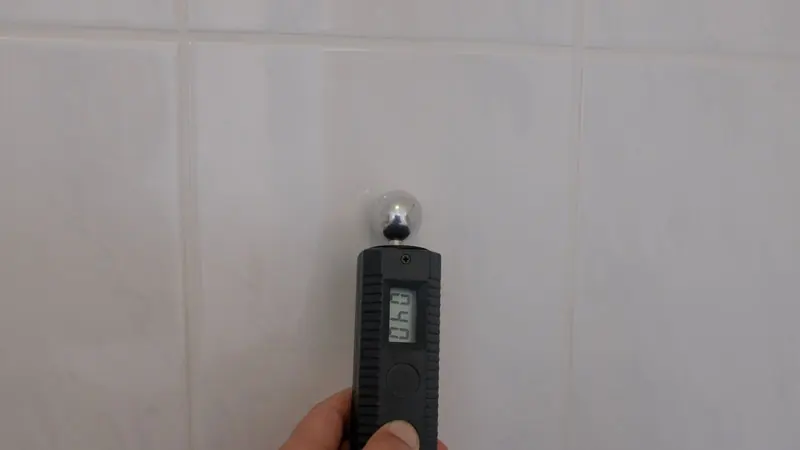
Wet floors rush people into signing whatever is put in front of them, so decide your questions before the first call.
No. They name the factors that drive cost, because the real number depends on the area, materials and category of water. The price is explained before work starts.
Local facts come from sources such as the Village of Bensenville, Census QuickFacts, the National Weather Service and state agencies. Insurance points follow the Illinois Department of Insurance claims guide.
Still unsure which page fits your situation? Dispatch can sort it out in one call.
(630) 580-6401