
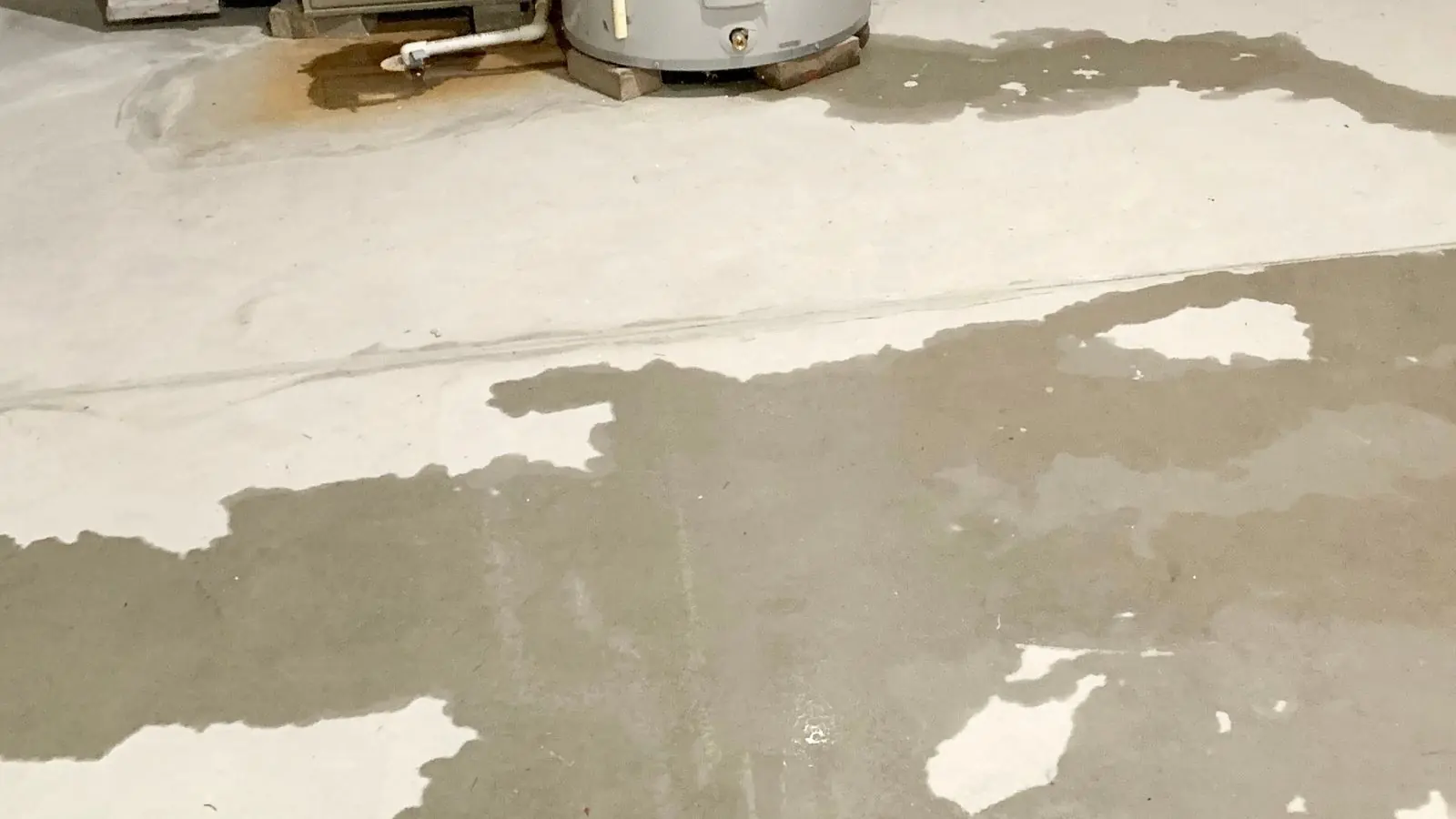
Basement water damage is urgent because water moves into drywall, carpet, and stored belongings fast. The dispatch line runs 24/7. While you wait, stop the source if you can, shut the main water valve, lift valuables onto shelves, and keep children and pets out of the water.
If water is near outlets, cords, or the electrical panel, stay out and call the utility or 911 for any electrical or gas risk before you call the line. Basement water damage can come from seepage, a failed sump pump, a plumbing break, or a backup, and crews pump, dry, and sort what can be saved.
Water on the basement floor right now
Start with safety, not the water. If the water touches outlets, extension cords, appliances, or the electrical panel, stay out of the basement. Call the electric utility or 911 for any electrical or gas risk before calling anyone else, because standing water and live current are a dangerous mix.
If the water is clear of electrical equipment and the stairs are dry, shut the main water valve and stop any known source, such as a washing machine hose. Never wade in to reach the panel. Calls at night or on a weekend reach the same dispatch line, and a same-day visit is offered when the schedule allows.
- Stay upstairs if water touches outlets, cords, or the panel, and call the utility or 911 for electrical or gas risk first.
- Shut the main water valve if a pipe or fixture is the source.
- Move valuables from the floor to shelves or upstairs, only from dry footing.
- Photograph the water line, damaged items, and the source before anything is moved.
- Call the line, describe the depth and the source, and ask about same-day response.
Where basement water comes from
The source decides the plan, so crews ask where the water entered before bringing equipment. A slow seep along a wall needs a different approach than a pit that overflowed in a storm.
| Source | What it looks like | What it changes |
|---|---|---|
| Seepage through walls or the floor joint | Dampness at the wall base, then pooling | Surface water and a drying focus, with drainage fixed separately |
| Sump pump failure | Pit full or overflowing, power out or pump jammed | Fast and deep, so extraction comes first |
| Supply line or water heater break | Clean water from a pipe, tank, or hose | Shut the valve, then extract and dry |
| Sewer or drain backup | Water rising from the floor drain, odor present | Treated as contaminated |
| Creek or surface flooding | Water arriving from outside in heavy rain | A different job, handled as flood damage |
Finished and unfinished basements need different plans
An unfinished basement with bare concrete and block walls dries quickly once the water is pumped out. Crews pull stored boxes, then run air movers and LGR dehumidifiers against the walls and floor.
A finished basement hides more. Carpet and pad, drywall, baseboards, and wall insulation can all hold water behind a clean-looking surface. Moisture meters and thermal imaging cameras map the wet area, and wet drywall is cut out above the visible wet line when it cannot dry in place. Details for each material are on the carpet water damage and wall and drywall water damage pages.
Pumping, removal, and drying, in order
Extraction units and submersible pumps remove standing water first, since air movers do little until the loose water is gone. Crews on a water extraction call work from the lowest point outward so water does not flow back.
After that, materials that cannot be dried come out, air movers go in, and dehumidifiers start running. Daily moisture readings show when the structure reaches its dry standard. A sewer backup is a contamination problem, so crews follow the steps on the sewage backup cleanup page. If the loss starts before the sun is up, the same plan applies after hours.
Water spreading or a smell you cannot place? Talk to dispatch now.
(630) 580-6401Contents, boxes, and what to lift first
Stored items are often the largest loss in a basement. Lift what you safely can from dry footing, and leave heavy furniture where it is if the floor is slick. Photograph everything before moving it.
Paper and cardboard
Photos, documents, and boxes absorb water quickly and wick it upward. Move them to a dry upper floor and spread them out so air can reach every page.
Electronics and appliances
Do not plug in anything that has been wet. Unplug it only if the outlet and floor are dry, then have it checked before use.
Upholstered furniture
Sofas and mattresses hold water deep inside the padding. Lift them onto blocks or off the floor if you can do so safely.
Hard goods
Plastic bins, tools, and metal shelving can usually be wiped and dried. Sort them after the water is out.
Creek water, floodplains, and what to ask the Village
The Village says it cannot prevent flooding, and it names three flood sources that each have their own floodway and floodplain: Willow Creek, Silver Creek (also called Bensenville Ditch), and Addison Creek with its tributaries. If water is coming from rising creek or surface runoff and not from a pipe or a pump, the job is flood damage, and flood damage restoration is the page to read.
To learn whether your property is in a floodplain, call the Village Engineering Division at (630) 350-3435. The Village also links to the FEMA Map Service Center. Knowing that before a storm tells you whether to ask your insurer about separate flood coverage, since flood damage is usually excluded from standard policies.
In April 2013, O'Hare recorded 5.55 inches of rain over two days, a record April two-day total for Chicago. It shows how much rain this area can take in a short stretch, so a working sump pump and a clear discharge line are worth checking before spring. For the southern part of town, see the Addison Creek area.
What drives the cost of basement water cleanup
Nothing starts until the scope and price are explained, including for after-hours calls, and these are the main factors behind the number.
Sudden and accidental water damage is often covered by homeowners policies, while gradual leaks and neglect often are not. Flood damage is usually excluded and needs separate flood coverage. Read the policy wording and ask your insurer before permanent repairs. Call (630) 580-6401 to talk through your own situation.
- Depth and square footage of the water, which set the extraction time.
- Finished or unfinished space, since finished rooms have more material to open.
- Water category, with contaminated water adding removal and disposal.
- Number of days of drying equipment needed to reach target readings.
- Contents handling, including moving, sorting, and packing out belongings.
Cleanup is not waterproofing
Restoration removes water, damaged materials, and moisture. It does not seal walls, regrade a yard, or install drainage, and that work belongs to a waterproofing or drainage contractor. If water comes back after every heavy rain, ask about sump capacity, window wells, downspout discharge, and grading once the cleanup is finished.
Sanitary sewer replacement and water heater replacement are both on the Village residential permit list. If either is part of the fix, ask Community and Economic Development at 630-350-3413 about permits and inspection scheduling, which needs at least 24 hours notice.
Questions about Basement Water Damage
Do you handle basement water damage emergencies at night or on weekends in Bensenville?
Yes. The dispatch line takes calls at night, on weekends, and on holidays, and same-day service is offered where available. No arrival time is promised.
If water is near outlets or the panel, call the utility or 911 first for any electrical or gas risk.
Is it safe to go into a flooded basement?
Not if water is near outlets, cords, or the electrical panel. Stay out and call the utility or 911 for any electrical or gas risk.
Even without electrical equipment nearby, stairs get slick and the water may be contaminated.
How long does it take to dry a basement?
Often several days, depending on depth, materials, and the weather. Concrete holds moisture longer than most people expect.
Crews take daily readings and stop equipment only when targets are met.
Should I pump or vacuum the water myself?
A small amount of clean water can be handled with a wet vacuum. For deeper water, a household vacuum is a poor tool and a shock risk if wiring is nearby.
Call for extraction when the water covers the floor.
My sump pump failed during a storm. What now?
Check that the pump has power and the float moves freely, only if the pit and the outlet are dry to reach. Then call for extraction.
Ask a plumber about a backup pump so the same thing does not repeat.
Does insurance cover basement water damage?
Sudden and accidental water damage is often covered, while seepage over time and neglect often are not. Flood damage is usually excluded.
Ask your insurer what your policy actually covers, and photograph everything first.
Still unsure which page fits your situation? Dispatch can sort it out in one call.
(630) 580-6401